
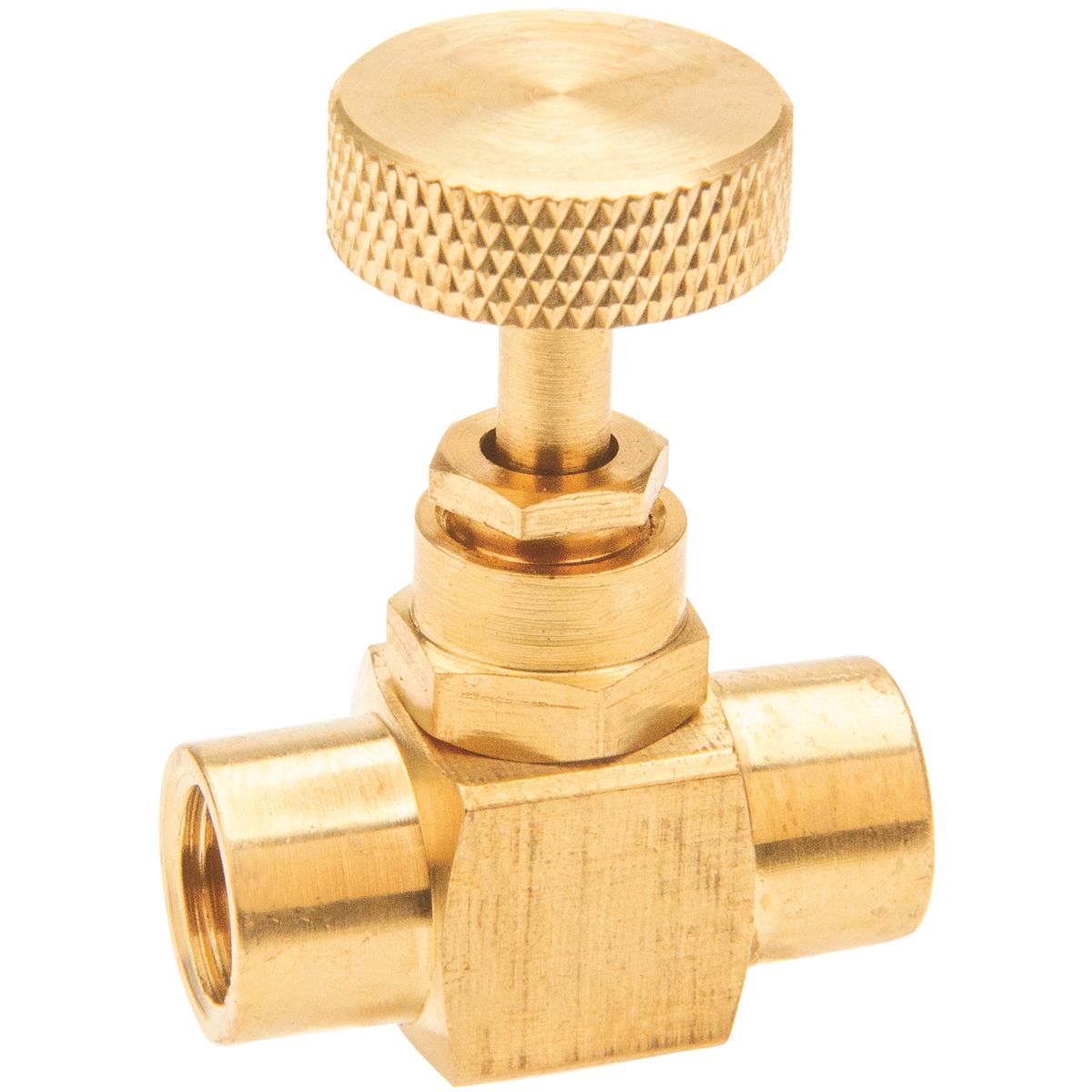
Industrial systems rely on control, not guesswork. Even small flow variations can affect safety, quality, and cost. An NPT brass needle valve plays a critical role in maintaining that control. It allows operators to fine-tune flow rates with accuracy and consistency.
Many facilities still treat valves as simple hardware. That view limits performance. A well-selected NPT brass needle valve can improve efficiency, reduce waste, and extend system life. This shift in thinking creates a strong advantage in modern operations.
What Makes Needle Valves Different From Other Valves?
Needle valves offer precise flow adjustment through a slender, tapered needle. This design allows gradual changes instead of sudden flow shifts. Ball valves or gate valves cannot match this level of control.
Operators often need stable, repeatable flow settings. Needle valves provide stability in systems handling gases or liquids. Brass construction adds durability and corrosion resistance. This combination supports long-term reliability in demanding environments.
How Does Material Choice Impact Valve Performance?
Material selection affects both performance and safety. Brass remains a preferred option for many applications. It resists corrosion from water, air, and mild chemicals. It also handles moderate temperatures and pressures with ease.
A NPT brass needle valve also offers strong sealing properties. This reduces the risk of leaks in critical systems. Threaded NPT connections ensure secure installation and compatibility across standard piping setups.
Choosing the right material reduces maintenance frequency. It also lowers the risk of system failure. This directly supports operational efficiency and cost control.
Where Are Needle Valves Most Effective?
Needle valves perform best in systems that require fine control. Common applications include instrumentation lines, pressure regulation systems, and fluid sampling setups. They also support calibration processes where precision is essential.
Industries such as oil and gas, chemical processing, and manufacturing rely on these valves daily. Even small improvements in flow control can lead to measurable gains. Reduced waste and improved product quality often follow.
Why Is Precision Flow Control a Cost Strategy?
Precision is not just a technical feature. It is a cost strategy. Poor flow control can lead to overuse of materials or inconsistent output. Both outcomes increase operational expenses.
A properly selected NPT brass needle valve helps maintain exact flow rates. This reduces waste and improves consistency. Over time, these benefits add up to significant savings.
Maintenance costs also decrease. Reliable valves reduce downtime and repair needs. This supports continuous production and better resource planning.
How Can Engineers Improve System Efficiency With Better Valve Selection?
Engineers often focus on large system components. Smaller parts like valves may receive less attention. This approach misses key opportunities for improvement.
Selecting the right valve requires understanding system requirements. Flow rate, pressure range, and fluid type all matter. A NPT brass needle valve often fits applications that demand precision without complex control systems.
Engineers can also improve system layout by placing valves strategically. Proper placement ensures easier access and better control. This enhances both safety and efficiency.
What Role Does Standardization Play in Modern Systems?
Standardization simplifies installation and maintenance. NPT threading is widely used across U.S. industrial systems. This ensures compatibility and reduces the need for custom fittings.
Using standardized components like an NPT brass needle valve streamlines procurement and replacement. It also reduces training requirements for maintenance teams. Familiar components improve response times during repairs.
Consistency across systems supports better documentation and process control. This aligns with modern operational standards and compliance requirements.
How Does Quality Influence Long-Term Reliability?
Not all valves deliver the same performance. Manufacturing quality affects durability, sealing, and precision. Poorly made valves may fail under pressure or wear out quickly.
High-quality needle valves maintain consistent performance over time. They provide smooth operation and reliable sealing. This reduces the risk of unexpected failures.
Investing in quality components supports long-term system stability. It also enhances safety by minimizing leak risks and pressure issues.
Conclusion: A Smarter Approach to Flow Control
Precision flow control is no longer optional. It is a core part of efficient and reliable operations. An NPT brass needle valve supports this goal by delivering accuracy, durability, and cost savings.
Lehigh Valley Valve provides solutions designed for real-world industrial demands. Their focus on quality and performance helps businesses achieve better control and long-term reliability. Choosing the right valve is not just a technical decision. It is a strategic move toward smarter operations.