
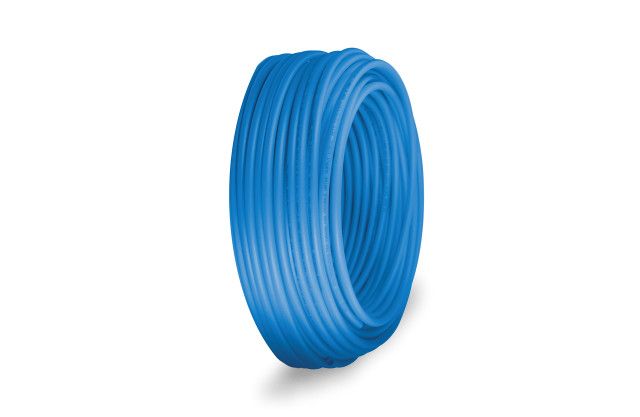
Reliable potable water systems protect public health and support efficient building infrastructure. Engineers and plumbers now look for materials that deliver durability, safety, and faster installation. One solution gaining steady adoption is PEX-B tubing for potable water systems.
Many contractors now prefer PEX-B tubing for potable water because it offers flexibility, corrosion resistance, and reliable long-term performance. These features help modern plumbing systems deliver clean water while reducing maintenance and installation challenges. This tubing also supports residential and commercial plumbing projects where durability and efficiency matter most.
Understanding how this technology works helps builders and facility managers make smarter plumbing decisions.
What Is PEX-B Tubing and How Does It Work?
PEX-B tubing is made from cross-linked polyethylene using a silane manufacturing method. This process strengthens the pipe structure while maintaining flexibility. The tubing then carries potable water through plumbing systems safely and efficiently.
The material works well in both hot and cold water distribution systems. Its design allows it to handle pressure fluctuations and temperature changes without cracking. These properties make it a practical solution for modern plumbing infrastructure.
PEX-B also bends around corners easily. Installers often reduce the number of fittings needed during installation. Fewer fittings lower the risk of leaks and improve overall system reliability.
Why Is PEX-B Ideal for Potable Water Systems?
Water quality protection remains the top priority in plumbing design. PEX-B tubing supports this goal through its corrosion resistance and chemical stability.
Unlike metal pipes, PEX-B does not rust or scale over time. This helps maintain clean water flow and consistent pressure. The material also resists chlorine exposure, which many municipal water supplies contain.
Another advantage involves noise reduction. Metal pipes often produce banging sounds during pressure changes. PEX-B tubing absorbs vibration and reduces these disruptive noises.
These features improve system reliability while supporting long-term water quality.
How Does PEX-B Improve Installation Efficiency?
Installation speed often determines project cost and schedule performance. PEX-B tubing helps simplify plumbing installation without sacrificing durability.
Contractors do not need soldering, glue, or heat during installation. Instead, they use crimp or clamp fittings to create secure connections. This process saves time and reduces safety risks on job sites.
Flexible tubing also allows installers to route lines through tight spaces behind walls or floors. The result is faster installation and lower labor costs for construction projects.
Builders also appreciate the reduced material waste compared with rigid piping systems.
Can PEX-B Handle Cold Weather and Temperature Changes?
Temperature fluctuations challenge many plumbing materials. However, PEX-B tubing adapts well to these conditions.
The tubing can expand slightly if water freezes inside the pipe. This flexibility reduces the risk of pipe bursts during winter conditions. When temperatures rise, the tubing returns to its original shape.
This resilience makes the material valuable in regions that experience seasonal temperature changes. Reliable freeze resistance protects plumbing infrastructure and reduces emergency repairs.
What Standards Ensure PEX-B Water Safety?
Safety standards play a major role in potable water infrastructure. Manufacturers test PEX tubing to ensure compliance with national plumbing and drinking water regulations.
PEX tubing products often meet standards such as NSF certifications for potable water safety. These certifications confirm that the material will not introduce harmful substances into drinking water systems.
Compliance with industry standards helps builders, engineers, and municipalities trust the reliability of PEX plumbing materials.
Why Are Contractors Switching from Traditional Pipes?
Traditional copper and galvanized pipes served plumbing systems for decades. However, modern construction often demands more flexible and cost-effective solutions.
PEX-B tubing offers several practical advantages over metal piping. It resists corrosion, installs faster, and often costs less overall. These benefits make it attractive for large residential developments and commercial projects.
Builders also value the tubing’s ability to maintain smooth water flow. The interior surface reduces buildup and helps maintain steady pressure across plumbing systems.
The Future of Efficient Plumbing Infrastructure
Modern buildings require plumbing systems that balance performance, safety, and cost efficiency. Materials that simplify installation while protecting water quality will shape the future of construction.
Reliable solutions like PEX-B tubing for potable water systems help contractors achieve these goals without sacrificing durability. The combination of flexibility, corrosion resistance, and safety compliance supports both residential and commercial plumbing needs.
Companies such as Lehigh Valley Valvesupply high-quality PEX tubing and related plumbing components that meet modern industry standards. Their product selection supports contractors, builders, and project managers who need dependable materials for potable water distribution systems.
In practical terms, the right tubing choice strengthens the entire plumbing system. With dependable products like PEX-B tubing for potable water, projects gain long-term reliability and performance. That is why many professionals continue to rely on solutions supplied by Lehigh Valley Valve when building modern water distribution systems.