
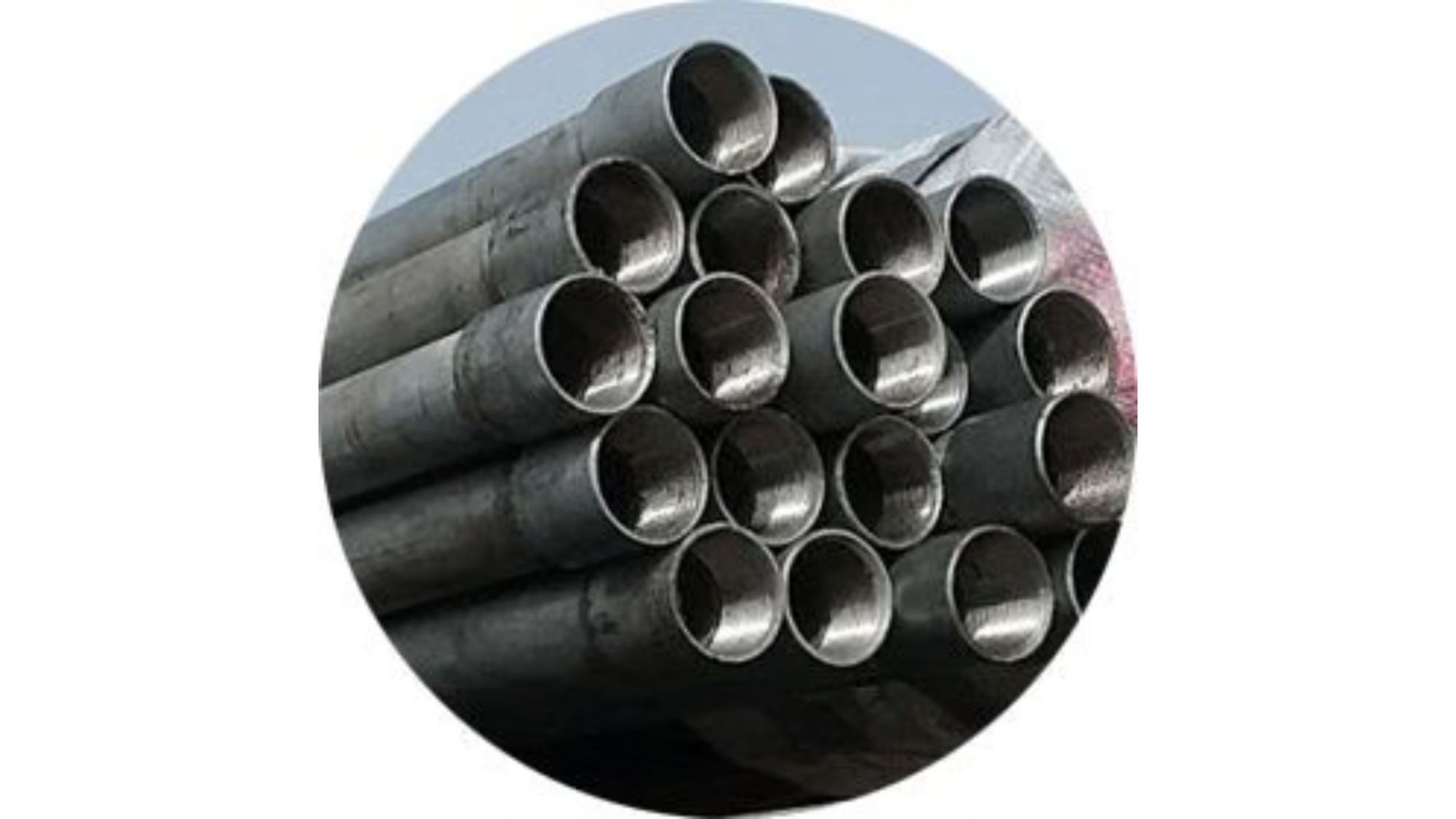
A water piping project is rarely judged by the pipe alone. The real test comes from how efficiently the system can be designed, connected, supported, and maintained over time. That is one reason a Pex A Water Pipe can be worth considering when flexibility and installation efficiency are important. Its crosslinked polyethylene construction offers characteristics that differ from traditional rigid piping materials.
PEX has also moved well beyond being a niche plumbing material. The Plastics Pipe Institute notes that PEX has been used in North America for more than 30 years and is now the most common hot- and cold-water distribution material in residential plumbing. Its use has also expanded into commercial applications.
Why is PEX-A different from other water piping?
PEX-A refers to PEX manufactured through the peroxide, or Engel, crosslinking process. PEX can also be produced through silane and electron-beam methods, and the letter designations are not quality rankings. Industry standards establish performance requirements for approved PEX materials regardless of the manufacturing method.
The practical appeal of PEX-A comes from its flexibility and the joining methods available for compatible systems. That flexibility can help installers route tubing around obstacles and reduce the need for numerous directional fittings in suitable layouts.
How does flexibility affect plumbing installation?
Flexibility can change how a piping system is planned. Instead of treating every turn as a point requiring a rigid fitting, installers may be able to create gradual bends where the system design and manufacturer instructions permit.
The Plastics Pipe Institute identifies flexibility as one of the characteristics that can speed installation. PEX can also be supplied in longer coils, which may reduce the number of connections required in some layouts.
That does not mean fewer fittings are automatically better in every project. Proper support, bend radius, connection methods, and local code requirements still matter. The advantage comes from using the material's flexibility intelligently.
Where can PEX water piping be used?
PEX systems are used for hot- and cold-water distribution in residential and commercial buildings. They can also be used for water service lines, radiant heating and cooling, hydronic systems, and other applications when the specific tubing and system are approved for that use.
For water service applications, the applicable standard can depend on where the tubing is being installed. The Plastics Pipe Institute states that PEX used for municipal water service is typically required to meet AWWA C904, while PEX meeting ASTM F876 and/or CSA B137.5 is approved for building supply lines under model plumbing codes.
That distinction matters because "PEX" is not a single specification. The application determines which requirements apply.
What should you check before choosing PEX-A?
Start with the intended use. Confirm the tubing's size, pressure and temperature requirements, applicable standards, fitting system, and local code requirements. Compatibility between the tubing and connection method is especially important.
PEX-A systems may use cold-expansion fittings, among other joining approaches. The Plastics Pipe Institute's installation guidance emphasizes following the tubing and fitting manufacturer's instructions and completing appropriate pressure testing after connections are made.
Installation conditions should also be considered. PEX should be protected from conditions that exceed its approved application, and proper support and routing are essential to a well-designed system.
Could PEX make future plumbing work easier?
The answer depends on the system design, but flexibility can provide practical benefits when repairs, rerouting, or replacement work becomes necessary. PEX is lightweight, resistant to corrosion and mineral deposits, and has no scrap value, according to the Plastics Pipe Institute.
Those characteristics can make it an attractive option for projects where installation access, material handling, and long-term serviceability are important considerations.
What should guide the final piping decision?
The best material choice starts with the actual requirements of the water system. PEX-A can offer flexibility and multiple joining options, but those benefits only matter when the tubing, fittings, installation method, and application are properly matched.
Lehigh Valley Valve supplies PEX products as part of its plumbing and piping selection, alongside valves, fittings, instrumentation, and waterworks equipment. For projects considering a Pex A Water Pipe, reviewing the application and the manufacturer's specifications before selecting components provides a sound basis for building a reliable water distribution system.