
Industrial systems look stable from the outside. Pipes move water, air, steam, or chemicals every day without much attention. Yet inside those systems, small flow problems often build quietly over time. Pressure shifts increase wear. Poor regulation strains pumps. Energy waste grows slowly until costs become impossible to ignore.
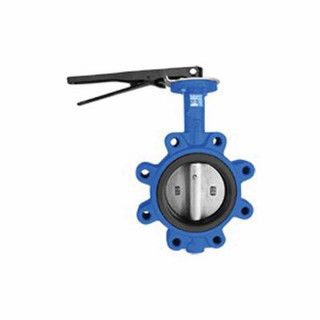
This is why many facility operators now rethink how flow control affects long-term performance. Products like the Titan Flow Control butterfly valve have become part of broader conversations about efficiency, maintenance planning, and operational reliability.
The change is not driven by trends alone. Industrial facilities face stronger pressure to reduce downtime while managing rising operating costs. According to industry research, energy efficiency and preventive maintenance remain top investment priorities across manufacturing and commercial infrastructure projects in 2026. Flow control decisions now carry more operational weight than many teams expected a decade ago.
Why Are Industrial Facilities Paying More Attention to Flow Control?
Flow control once stayed in the background of most maintenance discussions. Today, it directly affects operational performance.
Every industrial system depends on balance. Too much restriction can reduce efficiency. Unstable flow can damage connected equipment. Poor shutoff performance may create safety concerns or increase maintenance frequency.
These issues rarely happen overnight.
Instead, systems slowly lose efficiency through daily operation. Pumps work harder than necessary. Motors consume more power. Temperature regulation becomes inconsistent. Eventually, maintenance costs begin rising.
Facility operators now recognize that valve performance influences much more than simple fluid movement.
That awareness has increased demand for equipment designed to support reliable, consistent flow regulation across commercial and industrial systems.
What Makes Butterfly Valves Practical for Large Systems?
Industrial facilities often manage large pipe networks where space and accessibility matter.
Butterfly valves remain popular because they provide effective flow isolation without requiring bulky installation space. Their compact design helps contractors simplify piping layouts in mechanical rooms, utility systems, and processing facilities.
Weight also matters during installation.
Larger valve assemblies can increase labor complexity during upgrades or repairs. Butterfly valves often reduce that burden compared to heavier alternatives in similar pipe sizes.
A properly selected titan flow control butterfly valve may support systems involving:
- Water distribution
- HVAC infrastructure
- Cooling systems
- Industrial processing
- Utility applications
- Manufacturing operations
Many operators appreciate the balance between practical installation and dependable daily performance.
How Are Rising Energy Costs Changing Equipment Choices?
Energy costs continue shaping industrial decisions nationwide.
Facility managers now examine how every component affects system efficiency. Valves, pumps, and flow regulation devices all influence energy consumption over time.
Even small restrictions inside piping systems can increase operational strain.
When flow becomes inconsistent, pumps often compensate by working harder. This additional workload increases electricity use while creating more wear on equipment.
That pattern can continue unnoticed for months.
Modern facilities increasingly focus on systems that maintain smoother operational balance. Stable flow conditions help reduce unnecessary energy demand while improving overall system consistency.
This shift explains why flow management equipment now receives greater attention during infrastructure planning and retrofit projects.
Why Does Simpler Equipment Often Perform Better Long Term?
Industrial systems already contain enough complexity.
Maintenance teams often prefer equipment that performs reliably without creating additional service challenges. Simpler mechanical systems can reduce troubleshooting time while supporting easier inspections and repairs.
Butterfly valves continue fitting this practical approach.
Their relatively straightforward operation helps reduce unnecessary complications in many applications. Maintenance access also tends to remain more manageable compared to some larger valve configurations.
This matters because downtime affects more than equipment alone.
Production schedules, staffing, and operating costs all feel the impact when systems fail unexpectedly.
Many facilities now prioritize products that support dependable operation under real working conditions rather than focusing only on theoretical performance numbers.
Are Infrastructure Upgrades Driving More Valve Replacements?
Many commercial and industrial facilities now operate with aging infrastructure.
Older piping systems often struggle to meet current efficiency expectations. Some facilities also face increasing maintenance demands as components wear over time.
Modernization projects continue growing across:
- Manufacturing facilities
- Commercial buildings
- Municipal systems
- Institutional properties
- Mechanical infrastructure
Valve replacement frequently becomes part of these upgrades.
Contractors and engineers now look for products that simplify installation while supporting long-term operational stability. In larger systems, butterfly valves often help achieve that balance because they combine practical sizing with efficient flow regulation capabilities.
A titan flow control butterfly valve may fit these projects where operators need dependable shutoff performance without adding unnecessary system complexity.
What Should Facilities Consider Before Selecting Valves?
Choosing industrial valves involves more than matching pipe dimensions.
Experienced teams usually evaluate:
- Operating pressure
- Temperature exposure
- Flow requirements
- Chemical compatibility
- Space limitations
- Automation compatibility
- Maintenance accessibility
These details affect performance long after installation ends.
For example, corrosive environments may require specialized materials. High-cycle operations may also demand stronger durability over extended use.
Technical guidance remains important because industrial systems rarely follow one standard formula.
Why Does Supplier Knowledge Still Matter?
Industrial purchasing has become faster and more digital. Buyers now expect immediate access to specifications, inventory details, and delivery timelines.
Yet technical expertise still matters.
Incorrect valve selection can create expensive operational issues later. Contractors often depend on experienced suppliers to help verify compatibility and application requirements before installation begins.
That support helps facilities avoid unnecessary maintenance challenges and system inefficiencies.
Better Flow Management Often Starts With Smarter Planning
Industrial reliability rarely depends on one major breakthrough. Most improvements come from practical decisions made consistently over time.
Flow control plays an important role in that process. Stable operation, lower maintenance demands, and better energy efficiency all connect back to system design and component selection.
As facilities continue modernizing infrastructure and improving operational performance, products like the Titan flow control butterfly valve remain part of broader efforts to create more dependable industrial systems.
Within that evolving environment, companies such as Lehigh Valley Valvecontinue supporting commercial and industrial operations through the supply of valves, fittings, instrumentation products, and flow control components used across multiple industries.