
Commercial and industrial facilities depend on stable fluid control every day, even though most occupants never see the systems operating behind the walls. Contractors, maintenance teams, and facility managers understand that reliable performance starts with dependable valves, gauges, and piping components working together under constant pressure and temperature demands. When one part underperforms, the effects can spread quickly across an entire building system.
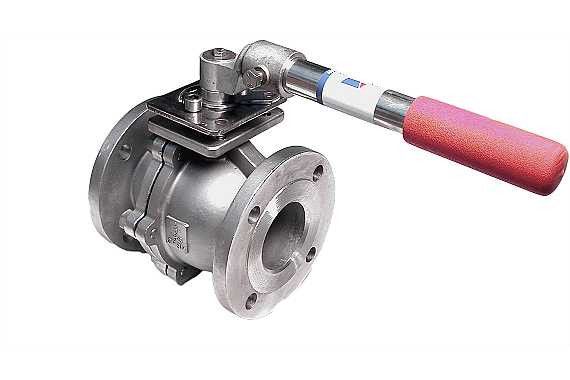
That growing awareness has pushed contractors and facility managers to pay closer attention to products like the American Valve. What once seemed like a routine plumbing component now carries far greater importance across commercial buildings, industrial facilities, and large residential projects. Reliable valves influence efficiency, maintenance costs, equipment lifespan, and overall system stability far more than most people realize.
The timing of this shift makes sense. Across the United States, aging infrastructure and rising energy costs are forcing property owners to rethink how mechanical systems operate over the long term. According to the U.S. Department of Energy, HVAC systems account for nearly 40% of energy use in commercial buildings. Even small inefficiencies inside fluid systems can create measurable operational losses over time.
Why Are Valves Receiving More Attention Today?
For years, valves were treated as standard hardware selected late in the construction process. The focus usually stayed on larger equipment such as pumps, boilers, or chillers. That mindset has changed because maintenance teams now understand how heavily overall performance depends on consistent flow control.
A poorly functioning valve rarely creates immediate failure. Instead, it slowly disrupts balance throughout the system. Water flow becomes inconsistent. Pressure fluctuates. Pumps begin working harder than necessary. Energy consumption rises quietly in the background while wear increases across connected equipment.
These issues become especially costly in hospitals, schools, manufacturing facilities, and multi-story commercial buildings where uninterrupted operation matters daily.
Products like the American Valve continue gaining industry attention because contractors increasingly prioritize reliability over short-term savings. A dependable valve helps maintain stable pressure conditions while supporting smoother system performance under changing operational demands.
How Have Material Expectations Changed?
Modern buildings place greater stress on mechanical systems than older facilities ever did. Higher occupancy levels, automation systems, and energy-efficiency requirements all increase operational demands. As a result, contractors now evaluate valve materials much more carefully during project planning.
Corrosion resistance has become a major concern, particularly in older infrastructure upgrades where water quality and pipe conditions vary significantly. Materials that once performed adequately may no longer meet current durability expectations.
At the same time, maintenance accessibility has become equally important. Facility managers prefer components that simplify inspections and reduce future service interruptions. Selecting the right valve today often means thinking years ahead rather than focusing only on installation speed or upfront cost.
That shift explains why experienced contractors spend more time evaluating compatibility between valves, pressure ratings, and system applications before making purchasing decisions.
Can Better Flow Control Improve Energy Efficiency?
Energy conversations often center around insulation, smart controls, or upgraded HVAC equipment. Yet fluid control plays a major role in overall efficiency because balanced flow directly affects how hard mechanical systems must work.
When valves fail to regulate flow properly, pumps compensate by operating longer or at higher capacity. Heating and cooling systems struggle to maintain stable temperatures. Over time, those inefficiencies increase operational costs while placing additional strain on equipment.
Reliable flow management creates the opposite effect. Stable pressure conditions allow systems to operate more efficiently and respond more consistently during changing demand cycles.
This is one reason the American Valve remains relevant across both new construction and retrofit projects. Contractors increasingly seek components that support long-term operational efficiency alongside dependable daily performance.
Why Are Facility Managers Thinking Beyond Immediate Repairs?
Maintenance strategies have evolved significantly over the last decade. Many facility managers now focus less on reacting to failures and more on preventing disruptions before they occur. Unexpected downtime affects budgets, tenant satisfaction, production schedules, and safety compliance all at once.
That reality has changed how purchasing decisions are made. Instead of selecting components based solely on price, buyers now evaluate product lifespan, replacement accessibility, supplier reliability, and long-term maintenance requirements. Standardization across facilities also helps simplify inventory management and future repairs.
Reliable sourcing has become part of the conversation as well. Contractors and maintenance teams increasingly value suppliers who understand broader system performance rather than simply providing individual parts.
As infrastructure demands continue evolving, dependable products like the American Valve remain central to maintaining efficient and stable mechanical systems. Companies such as Lehigh Valley Valvesupport these ongoing industry needs by supplying valves, instrumentation products, and fluid-control components used across commercial, industrial, plumbing, and maintenance applications throughout the United States.