
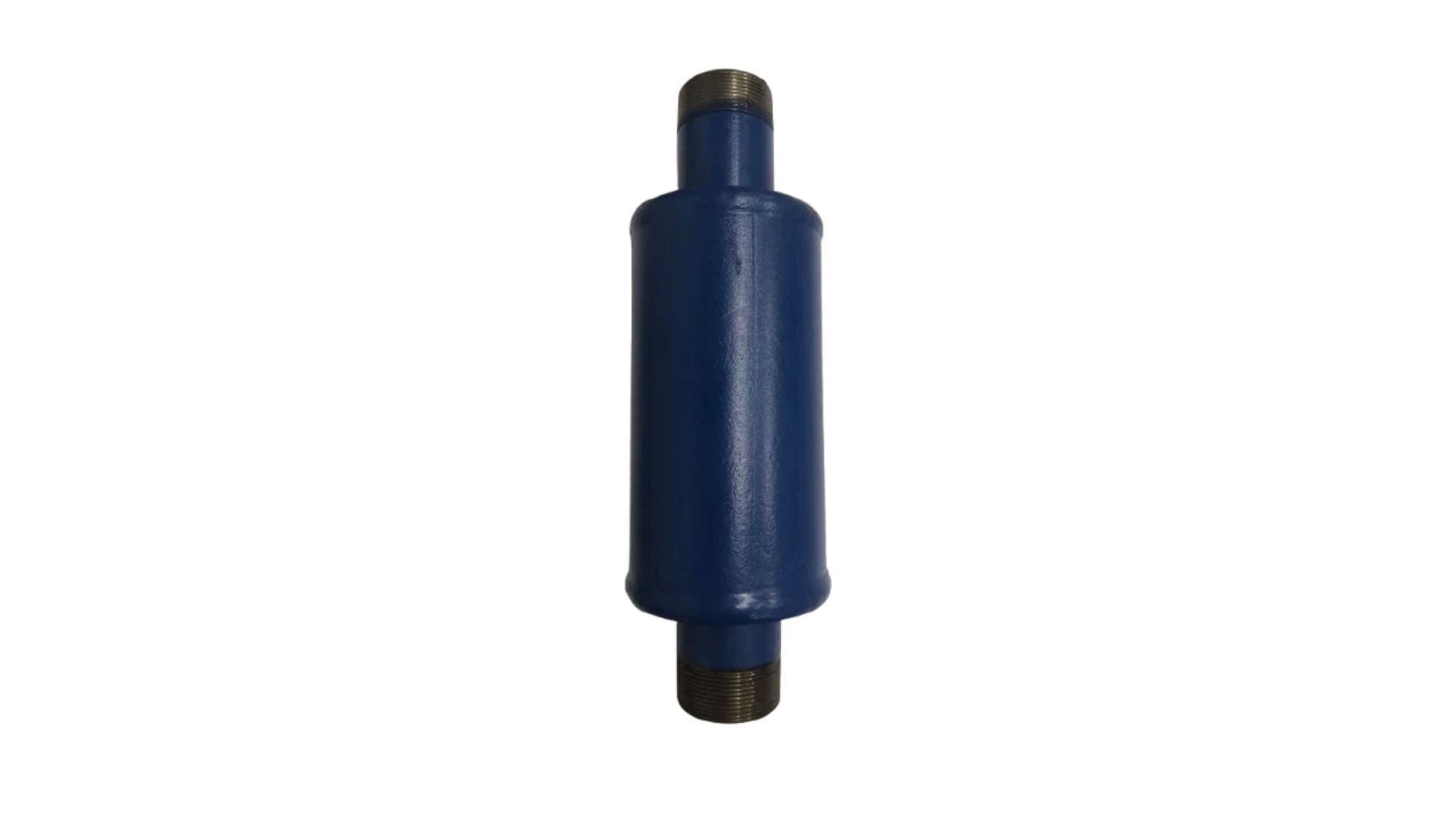
Most piping systems are designed to handle pressure and flow, but many overlook another constant force: movement. As pipes heat up and cool down, they naturally expand and contract. Without the right protection, this repeated movement can place stress on joints, valves, and connected equipment. That is why copper expansion compensators have become an important solution for engineers and contractors seeking long-term system reliability.
Modern Expansion Compensators help absorb thermal movement before it affects the rest of the piping network. In commercial buildings, healthcare facilities, schools, and industrial plants, they support safer and more dependable operation. According to the U.S. Department of Energy, improving the efficiency and reliability of mechanical systems is one of the most effective ways to lower maintenance costs and reduce unexpected downtime. Components that manage thermal expansion contribute directly to that goal.
Why Does Thermal Expansion Matter So Much?
Every piping system experiences temperature changes during normal operation. Hot water lines, heating systems, and process piping all expand as temperatures rise. Although this movement may seem small, repeated expansion and contraction can gradually weaken connections and increase stress throughout the system.
Installing copper expansion compensators allows the piping network to absorb this movement safely. Instead of transferring force to nearby equipment, the compensator manages the motion while helping maintain system stability.
What Makes Copper a Practical Choice?
Copper has remained a trusted piping material because it offers durability, corrosion resistance, and dependable performance across many commercial applications. When paired with properly selected Expansion Compensators, copper systems can better handle changing operating conditions without placing unnecessary strain on connected components.
This combination is commonly used in heating systems, chilled water lines, domestic water systems, and mechanical rooms where long-term performance is a priority.
Selecting compatible materials also supports easier maintenance and helps extend the overall service life of the piping network.
How Can Better Planning Reduce Future Repairs?
Many piping failures begin with small amounts of stress that build over time. Ignoring thermal movement can lead to damaged joints, leaking connections, and premature equipment wear.
Designing systems with movement in mind helps reduce these risks before they become expensive problems. Engineers typically evaluate pipe length, operating temperatures, pressure ratings, and installation conditions when selecting flexible movement solutions.
A well-designed expansion management strategy supports consistent operation while minimizing unexpected maintenance interruptions.
What Should Buyers Look for Before Selecting a Compensator?
Choosing the right product involves more than matching pipe size. Application requirements, pressure limits, temperature ranges, movement capacity, and compatibility with surrounding equipment all influence long-term performance.
Working with knowledgeable industrial suppliers helps contractors and facility managers identify products that meet system requirements while supporting reliable operation. Careful product selection contributes to both safety and overall efficiency.
Reliable Systems Adapt to Movement
The strongest piping systems are not those that resist every force. They are the ones designed to accommodate change. Investing in copper expansion compensators and properly selected Expansion Compensators helps protect valuable equipment, improve system reliability, and reduce maintenance over time. For organizations looking for quality flow control products and technical guidance, Lehigh Valley Valve provides access to industrial components that support informed decisions for commercial and industrial piping applications.