
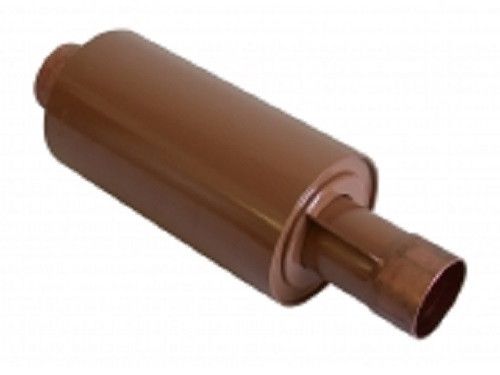
Most industrial piping systems spend years doing exactly what they were designed to do. Fluids move, equipment operates, and production continues without much thought. Yet every heating cycle, pressure change, and vibration creates small movements inside the piping network. Over time, those movements can add up to costly wear, leaks, and unexpected downtime. That is why components like copper expansion compensators play an important role in protecting systems that experience regular thermal expansion and contraction.
Many facility managers focus on pumps, valves, and major equipment because those assets receive the most attention during maintenance. However, the connections between those components often determine how long the entire system performs reliably. Choosing the right copper expansion compensators can help reduce stress on piping, improve system flexibility, and support long-term equipment performance without requiring major design changes.
Why Does Thermal Expansion Matter More Than Many People Realize?
Every material expands when exposed to heat and contracts as temperatures fall. In industrial and commercial piping systems, this natural movement happens every day. Hot water systems, HVAC equipment, manufacturing facilities, and process piping all experience repeated expansion cycles.
Without proper accommodation, these small movements place continuous stress on pipe joints, supports, valves, and connected equipment. Over months or years, the results may include fatigue cracks, gasket failures, or premature equipment replacement.
According to the U.S. Department of Energy, improving the efficiency and reliability of industrial systems remains a major opportunity for reducing maintenance costs and minimizing unplanned downtime across manufacturing operations. Preventing mechanical stress is an important part of that effort.
How Can Expansion Compensation Protect the Entire System?
Expansion compensation is not simply about allowing pipes to move. It is about controlling that movement in a predictable way.
When thermal growth is managed correctly, piping systems experience less strain during normal operation. Flexible components absorb movement before it reaches sensitive equipment. This approach helps maintain alignment while reducing unnecessary stress on pumps, valves, heat exchangers, and instrumentation.
For copper piping systems in particular, copper expansion compensators provide flexibility while maintaining the material compatibility many commercial and industrial applications require. They become especially valuable where temperature fluctuations occur frequently throughout the operating day.
What Should Engineers and Maintenance Teams Consider?
Selecting the right solution involves more than matching pipe size.
Several operating factors influence long-term performance, including:
- Expected temperature range
- Operating pressure
- Flow characteristics
- Installation layout
- Available pipe movement
- Maintenance accessibility
Each system behaves differently, which is why technical evaluation remains an important part of project planning. A component that performs well in one application may not provide the same results under different operating conditions.
Routine inspections also matter. Even high-quality components benefit from periodic evaluations that identify wear before it affects production.
Can Small Design Decisions Reduce Future Downtime?
One overlooked advantage of expansion planning is its impact on the entire maintenance strategy.
Facilities often spend significant resources responding to equipment failures after they occur. A more effective approach focuses on minimizing the mechanical conditions that contribute to those failures in the first place.
By reducing vibration transfer and thermal stress, properly selected expansion devices can help extend the service life of surrounding equipment. That may translate into fewer emergency repairs, more predictable maintenance schedules, and improved operational consistency.
As industrial facilities continue modernizing aging infrastructure, reliability has become just as important as efficiency. Building resilience into piping systems supports both objectives without requiring complete system redesigns.
What Makes Product Selection Worth Careful Attention?
Industrial piping components rarely operate independently. Every valve, fitting, support, and compensator influences how the system performs as a whole.
Working with suppliers that understand industrial valves, instrumentation, plumbing products, and waterworks applications allows project teams to evaluate compatibility instead of purchasing individual parts in isolation. This broader perspective often leads to better long-term outcomes because system performance depends on how every component works together.
As facilities continue balancing reliability, operating costs, and equipment longevity, thoughtful component selection remains one of the smartest investments available. Organizations seeking products such as copper expansion compensators, along with industrial valve and piping solutions, can benefit from experienced technical guidance and application-focused product support offered by Lehigh Valley Valve.